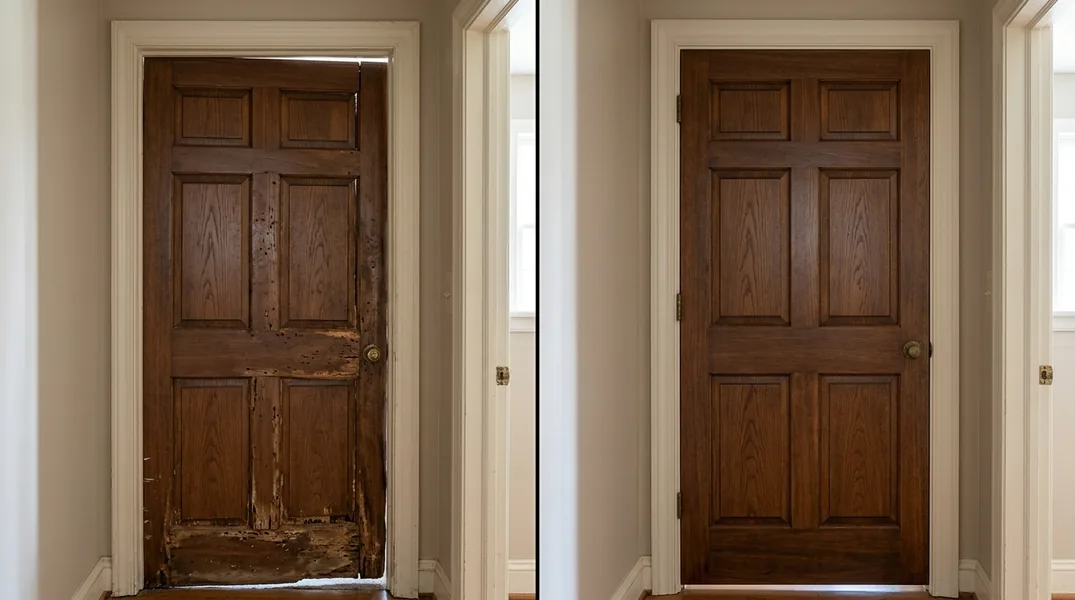
The Real Difference Between Wood Rot and Termite Damage
When you discover soft, discolored wood on your home, your first instinct might be panic. But before you assume the worst, it helps to understand what you're actually dealing with. Wood rot and termite damage look similar at first glance, yet they require very different repair approaches. Knowing the difference can save you thousands of dollars and help you make the right decision about whether to repair or replace.
Wood rot occurs when moisture penetrates wood and fungi begin to break down the cellulose fibers. This is a chemical decay process that happens over time, especially in humid climates like Raleigh, where rain and humidity create perfect conditions for fungal growth. Termite damage, on the other hand, is physical destruction caused by insects eating through the wood as they tunnel and feed. While both leave wood structurally compromised, termite damage often requires more aggressive intervention because the insects may still be present and actively causing harm. Termite Damage Repair typically involves pest control treatment alongside structural repairs, whereas Wood Rot & Dry Rot Repair focuses on removing the compromised wood and addressing moisture sources.
Can You Repair Rotted Wood Without Replacing It?
One of the most common questions homeowners ask is whether they can simply patch or treat rotted wood rather than tearing it out. The answer depends on the extent of the damage and the location of the rot. In many cases, you can repair rotted wood without replacing large sections, but only if the decay hasn't penetrated too deeply into the structural integrity of the wood.
For surface-level rot, particularly on trim, fascia, or non-load-bearing areas, a skilled carpenter can remove the affected portion and rebuild it with new wood or epoxy filler. This approach is far more affordable than full replacement and works well when rot is caught early. However, if the rot has spread to more than one-third of the wood's depth or width, replacement becomes the safer and more cost-effective option. Load-bearing elements like beams, posts, and joists require extra caution. If rot has compromised these critical components, attempting to repair rather than replace could put your home's structural safety at risk. In Raleigh homes, where seasonal moisture fluctuations are common, we often recommend having a professional assess the damage before deciding on a repair strategy. When load-bearing elements are involved, Beam Replacement & Load-Bearing Wall Removal services ensure your home remains safe and code-compliant.
Should You Replace Rotted Wood Siding? A Cost and Safety Perspective
Rotted wood siding is one of the most visible signs of home deterioration, and it's also one of the most common problems we address at Raleigh Carpentry. The question of whether to repair or replace rotted wood siding isn't purely financial. It's also about preventing further water intrusion and protecting the structural components behind the siding, including your sheathing and framing.
If only a few boards are affected and the rot is surface-level, replacing individual siding boards is a smart, economical choice. This approach allows you to match the existing material and maintain your home's appearance while stopping the rot from spreading. However, if rot has affected multiple boards across a large area, or if water has already penetrated to the underlying structure, you may need to replace a larger section of siding along with the damaged framing beneath it. This is particularly important because rotted siding often signals that water damage extends deeper than what's visible from the outside. Addressing the root cause (typically poor drainage, missing caulk, or damaged flashing) is essential to prevent the problem from recurring after repair. The decision to replace rotted wood siding should always include a plan to eliminate the moisture source that caused the rot in the first place.
Wood Rot & Dry Rot Repair Cost in Raleigh: What to Budget
Understanding pricing for wood rot repairs helps you make an informed decision about repair versus replacement. The cost of addressing rotted wood varies widely depending on the location of the damage, the extent of decay, and whether structural elements are involved. Surface repairs on trim or fascia might cost between $300 and $800, while more extensive damage affecting multiple boards or structural components can easily exceed $2,000 to $5,000 or more.
Several factors influence the final cost. First, accessibility matters. If the rotted wood is easy to reach, labor costs stay lower. Damage high on a roof line or in hard-to-access areas requires scaffolding or specialized equipment, which increases expenses. Second, the size of the affected area directly impacts price. Replacing a single rotted board costs far less than replacing an entire wall or section of siding. Third, if the rot has compromised structural elements like Floor Joist & Subfloor Repair work, costs rise significantly because the repair requires engineering and careful structural reinforcement. Additionally, if termites are involved, pest control treatment adds to the total expense. Rather than guessing at costs, the best approach is to request a free estimate from a local contractor who can assess your specific situation. Raleigh Carpentry offers detailed inspections and transparent quotes so you know exactly what to expect before work begins.
Repair or Replace: The Decision Framework
Making the choice between repair and replacement comes down to three key considerations: safety, cost, and long-term durability. Start by asking whether the damaged wood is load-bearing or non-load-bearing. Load-bearing elements (beams, joists, posts, rim boards) should almost always be fully replaced if rot is present, because the risk of structural failure outweighs any short-term cost savings. Non-load-bearing elements like trim, fascia, and decorative siding offer more flexibility. If the rot is shallow and limited to a small area, repair is often the right choice. If it's deep or widespread, replacement makes more sense.
Consider the age and condition of the surrounding wood as well. If the wood is relatively new and only a small section is affected, repairing that section is reasonable. But if the wood is old and showing signs of multiple problem areas, full replacement might be more economical in the long run because you won't be dealing with piecemeal repairs over the next few years. Finally, always address the underlying cause of the rot. Whether you repair or replace, the moisture problem must be solved, or the rot will return. This might involve improving drainage, repairing gutters, replacing flashing, or improving ventilation. A professional assessment from Raleigh Carpentry can help you weigh these factors and choose the approach that offers the best value and safety for your home. Call us at (984) 254-7340 to schedule your evaluation.
Signs It's Time to Call a Professional Near Me
Sometimes homeowners attempt DIY repairs on rotted wood, hoping to save money. While minor cosmetic repairs might be manageable for experienced DIYers, structural wood rot and termite damage require professional expertise. Knowing when to call in the experts can prevent costly mistakes and ensure your home remains safe and sound.
Red flags that warrant a professional inspection include soft or spongy wood that feels weak when you press on it, wood that crumbles or breaks apart easily, visible tunnels or galleries inside the wood (a sign of termites), widespread discoloration or dark staining, and persistent moisture or water stains around the damaged area. If you notice any of these signs in your home, don't delay. The longer rot or termite damage goes unaddressed, the more extensive and expensive the repairs become. Raleigh Carpentry specializes in diagnosing and repairing all types of wood damage, from minor rot to severe structural compromise. Our team has years of experience helping homeowners in Raleigh make smart decisions about their homes. We'll provide a thorough inspection, explain your options clearly, and recommend the most cost-effective solution for your situation. Contact us today at (984) 254-7340 or visit our website to request a free estimate.
Looking for a professional carpentry contractor in Raleigh? Raleigh Carpentry responds fast for all your carpentry needs.
Get a Free QuoteOur services: Wood Rot & Dry Rot Repair · Termite Damage Repair · Floor Joist & Subfloor Repair