The Charm and Challenge of Historic Homes in Raleigh
If you own a Victorian home in Oakwood or a charming Craftsman bungalow in Cameron Park, you already know the appeal. These neighborhoods are among the most desirable in Raleigh, filled with character, original hardwood details, and architectural features you simply cannot replicate in newer construction. But that same age and authenticity that makes these homes so special also comes with real maintenance responsibilities that many first-time historic homeowners underestimate.
The truth is, Victorian and Craftsman homes were built with different materials and construction methods than modern houses. Their wood framing, original siding, and foundation systems require a different approach to care and repair. Many homeowners discover this the hard way when they notice soft spots in the floor, paint peeling faster than expected, or that unmistakable musty smell in the basement. Understanding what your historic home needs is the first step toward protecting your investment and preserving its beauty for years to come.
Wood Siding Repair: The First Line of Defense
Your home's exterior wood siding is not just about curb appeal, though that matters. It is your first line of defense against moisture, weather, and the elements that can damage the structural wood underneath. Victorian homes often feature decorative wood trim, lap siding, or shiplap, while Craftsman bungalows typically showcase wider boards and distinctive architectural details. All of these require regular inspection and maintenance to stay healthy.
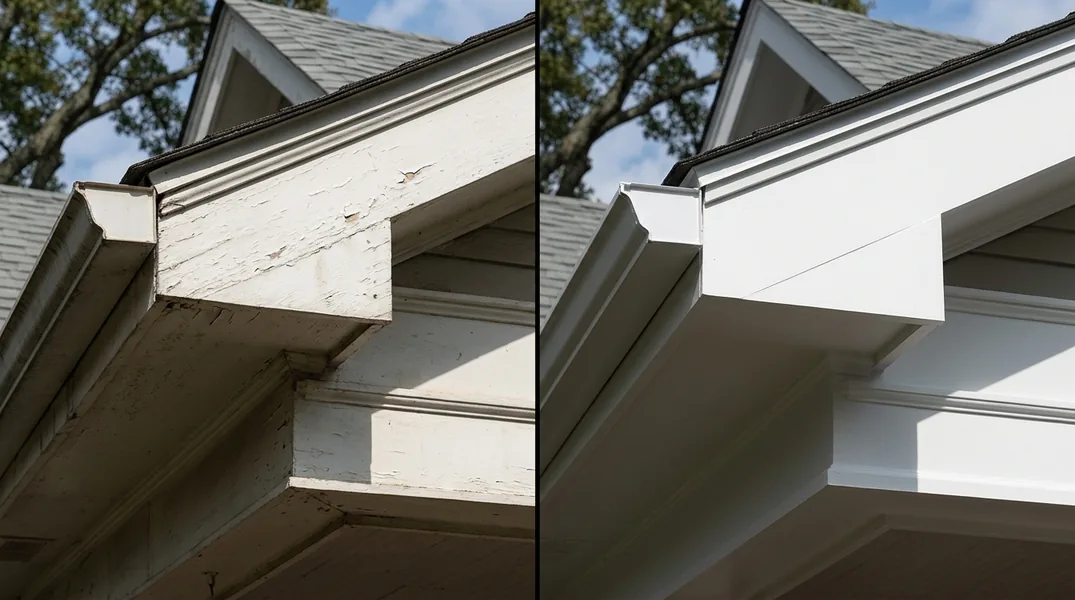
The most common issues we see with historic wood siding in Raleigh include paint failure, gaps between boards, missing caulk, and the early stages of wood deterioration. These problems often start small and seem cosmetic, but they are actually invitations for moisture to seep behind the siding. Once water gets behind your exterior boards, it can cause serious damage to the framing and sheathing underneath. Wood Rot & Dry Rot Repair becomes necessary, and what started as a simple maintenance issue can turn into an expensive structural repair.
Regular inspection of your wood siding should happen at least twice a year, ideally in spring and fall. Look for soft spots when you press on the wood, visible gaps or separation, areas where paint is cracking or peeling, and any signs of mold or discoloration. Addressing these issues promptly with fresh caulking, paint touch-ups, or board replacement can save you thousands in repair costs down the road.
Wood Rot & Dry Rot Repair Near Me: When to Call a Professional
Wood rot is one of those terms that makes historic homeowners nervous, and for good reason. Unlike surface-level cosmetic issues, rot represents actual structural compromise. The difference between wet rot and dry rot matters too. Wet rot develops in areas with high moisture content, often around windows, doors, and foundation areas. Dry rot is actually more dangerous because it spreads rapidly through wood and can affect structural integrity without obvious warning signs.
If you notice soft, spongy wood that yields to pressure from a screwdriver or awl, you likely have rot. Other signs include wood that has become discolored, crumbly, or has a musty odor. In Victorian and Craftsman homes, common problem areas include window sills and frames, door frames, porch posts and railings, fascia and soffit boards, and anywhere wood meets the foundation or ground. The longer rot is left untreated, the more wood it destroys and the more expensive the repair becomes.
This is not a DIY fix. Wood Rot & Dry Rot Repair requires proper diagnosis, assessment of how deep the damage extends, and professional-grade solutions. A qualified carpenter will determine whether the affected wood can be treated, patched, or needs complete replacement. At Raleigh Carpentry, we have the experience to handle the complexities of historic wood repair while maintaining the character and authenticity of your home. If you suspect rot in your home, call us at (984) 254-7340 to schedule a free estimate.
Beyond Wood: Structural Issues in Historic Homes
While wood siding and rot repair are common concerns, historic homes often have other structural vulnerabilities that homeowners should understand. Many Victorian and Craftsman homes in Raleigh were built on shallow foundations or with undersized support beams by today's standards. Over a century of settling, moisture exposure, and normal wear can compromise these systems. You might notice sloping floors, cracks in plaster walls, doors and windows that no longer close properly, or visible sagging in the roof line. These are not just cosmetic annoyances, they are signs that your home's structural integrity may need attention.
Two critical issues that often arise in older homes are Floor Joist & Subfloor Repair and foundation problems. Joists and subfloors can be compromised by water damage, rot, or pest damage, leading to soft or bouncy floors and potential safety hazards. Similarly, foundation settling or moisture intrusion can weaken the entire structural system. In some cases, homeowners need Beam Replacement & Load-Bearing Wall Removal to address serious structural deficiencies, especially if they are planning renovations or additions.
These are projects that absolutely require professional assessment and engineering. Attempting to DIY structural repairs can compromise safety and may violate local building codes. The good news is that many structural issues in historic homes can be successfully addressed by experienced carpenters who understand the unique challenges of older construction.
Preventing Pest Damage: Termites and Other Concerns
Historic homes in Raleigh face particular vulnerability to termite damage and other wood-destroying insects. The warm, humid climate of North Carolina is ideal for termites, and older homes often have conditions that attract them: wood-to-soil contact, moisture issues, and hidden spaces where colonies can thrive undetected for years. By the time you notice termite damage, significant structural harm may have already occurred.
Prevention starts with regular inspections and moisture control. Keep gutters clean and functioning properly, ensure that downspouts direct water away from your foundation, maintain proper grading so water does not pool against the house, and address any signs of moisture in basements or crawl spaces. Have a professional pest inspector evaluate your home annually. If you discover Termite Damage Repair is needed, the sooner you address it, the better. Termite damage can affect floor joists, roof framing, and structural beams, requiring both pest control and structural repair to restore your home to safe condition.
Your Historic Home Maintenance Checklist and Next Steps
Protecting your Victorian or Craftsman home does not require becoming an expert carpenter. Instead, focus on regular inspection and prompt action when issues arise. Inspect your exterior wood siding twice yearly for paint failure, gaps, and soft spots. Check your roof and gutters seasonally. Monitor basement and crawl space areas for moisture, mold, or pest activity. Pay attention to changes in how doors and windows operate or if you notice new cracks in plaster. These simple habits catch problems early when they are cheaper and easier to fix.
When you do identify issues, do not delay. Small problems become big problems quickly in historic homes. Whether you need Wood Rot & Dry Rot Repair, structural assessment, or guidance on the best approach for your specific situation, Raleigh Carpentry is here to help. We understand the unique character and construction of Oakwood, Cameron Park, and other historic neighborhoods throughout Raleigh. We approach every project with respect for your home's history while using modern best practices to ensure durability and safety. Contact us at (984) 254-7340 or visit our website at https://raleigh-carpentry.com to request a free estimate for your project. Your historic home is worth the investment in proper care.
Looking for a professional carpentry contractor in Raleigh? Raleigh Carpentry responds fast for all your carpentry needs.
Get a Free QuoteOur services: Wood Rot & Dry Rot Repair · Termite Damage Repair · Floor Joist & Subfloor Repair