Is Termite Damage Covered by Homeowners Insurance?
One of the most common questions we hear at Raleigh Carpentry is whether homeowners insurance covers termite damage. The short answer is no. Most standard homeowners insurance policies explicitly exclude damage caused by termites, wood-boring beetles, and other pests. This exclusion exists because pest damage is considered a maintenance issue rather than a sudden, accidental loss, which is what insurance policies are designed to cover.
This distinction is crucial for homeowners in Raleigh to understand. While your homeowners policy may protect you from fire, theft, or storm damage, the slow destruction caused by termites eating away at your home's wooden structure falls outside that protection. The reasoning behind this exclusion is that pest infestations are preventable through proper maintenance, inspections, and pest control measures. Insurance companies view termite damage as a gradual, avoidable problem rather than an unforeseen catastrophe.
However, there is one important exception to this rule. If termite damage leads to a covered peril, such as structural collapse that causes additional damage, some policies may provide limited coverage for the resulting damage. For example, if termites weaken a load-bearing wall and it collapses, damaging your roof in the process, the roof damage might be covered. But the original termite damage itself will not be covered. This distinction matters when you're filing a claim or assessing your financial responsibility.
Understanding Your Homeowners Insurance Policy
Every homeowners insurance policy is different, which is why it's essential to review your specific coverage documents carefully. When you purchase homeowners insurance, you receive a declarations page and a detailed policy document that outlines what is and is not covered. Most policies include a section on exclusions, and you'll typically find pest damage listed there. However, the exact wording and scope of these exclusions can vary significantly between insurance companies and policy types.
Standard homeowners insurance policies cover sudden and accidental damage, but termite damage is neither sudden nor accidental in the eyes of insurers. Termites work gradually over months or years, making their damage predictable and preventable through regular inspections and pest control. Some homeowners mistakenly believe that if they didn't know about the termites, the damage should be covered. Unfortunately, lack of knowledge doesn't change the policy language. The best approach is to contact your insurance agent directly and ask them to confirm whether your specific policy excludes pest damage. Ask them to show you the exact exclusion language in your policy, and inquire about any possible exceptions or endorsements that might provide coverage.
If you're shopping for a new homeowners insurance policy, you can ask potential insurers about their pest damage exclusions before committing. Some companies may offer slightly different coverage terms, though termite exclusions are nearly universal in the industry. It's also worth asking whether your policy covers damage from other wood-destroying pests, such as carpenter ants or wood-boring beetles, as these often fall under similar exclusions.
Why Prevention and Early Detection Matter
Since termite damage is not covered by homeowners insurance, prevention and early detection become your most valuable defenses against costly repairs. Termites are silent destroyers, often causing significant structural damage before homeowners even realize they're present. In Raleigh's warm, humid climate, termites thrive year-round, making proactive measures especially important for local homeowners. Regular professional pest inspections can catch infestations early, when treatment is less expensive and before extensive damage occurs.
Preventive measures include maintaining proper drainage around your home's foundation, eliminating wood-to-soil contact, keeping gutters clean, and addressing any moisture problems promptly. Termites are attracted to moisture, so controlling dampness in crawl spaces, basements, and around your home's exterior is critical. You should also have your home inspected annually by a licensed pest control professional, and certainly before buying or selling a property. Many pest control companies offer preventive treatments that create a barrier around your home, significantly reducing the risk of infestation.
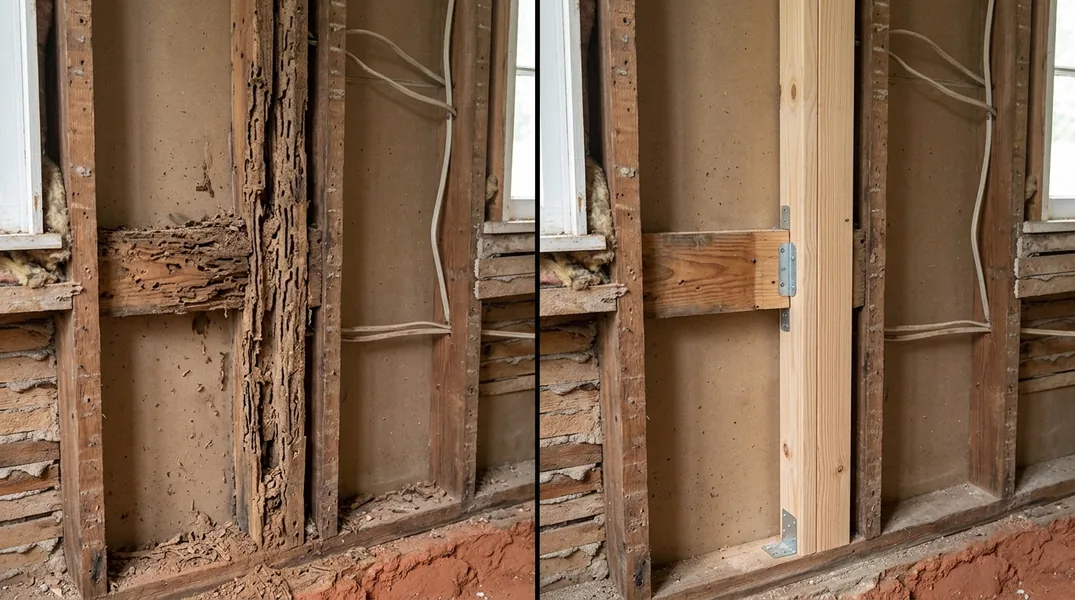
Early detection can save you tens of thousands of dollars in repair costs. Signs of termite activity include mud tubes on foundation walls, discarded wings near windows and doors, hollow-sounding wood, and visible damage to wooden structures. If you notice any of these warning signs, contact a pest control professional immediately. The sooner you identify and treat an infestation, the less damage your home will sustain. This is far more cost-effective than dealing with extensive structural damage that requires professional Termite Damage Repair later.
When You Need Professional Termite Damage Repair
Once termites have caused damage to your home's structural components, professional repair becomes necessary. Termite damage often affects critical areas like floor joists, beams, and load-bearing walls, which require expert assessment and restoration. Unlike cosmetic damage, structural damage from termites can compromise your home's safety and integrity. This is where professional carpentry services become essential.
If you've discovered termite damage in your Raleigh home, the first step is having a qualified carpenter inspect the extent of the damage. They can determine whether damaged wood can be treated and reinforced or whether it needs to be replaced entirely. Services like Floor Joist & Subfloor Repair and Beam Replacement & Load-Bearing Wall Removal address the most serious types of termite damage. These repairs are not DIY projects. Structural repairs require proper engineering, permits, and professional installation to ensure your home remains safe and meets building codes.
The cost of termite damage repairs can be substantial, ranging from a few thousand dollars for minor damage to tens of thousands for extensive structural issues. This financial burden falls entirely on the homeowner since insurance won't cover it. That's why prevention and early detection are so important. If you suspect termite damage in your home, don't delay. Contact Raleigh Carpentry at (984) 254-7340 to schedule a free estimate and get a professional assessment of the damage.
What About Other Types of Wood Damage and Insurance?
While termite damage is excluded from homeowners insurance, it's worth understanding how other types of wood damage are treated by your policy. Damage caused by weather events like storms, high winds, or heavy snow is typically covered. Similarly, damage from water intrusion due to burst pipes or roof leaks is usually covered, though the coverage depends on the cause and your policy's specific terms. The key distinction is whether the damage results from a sudden, accidental event or from gradual deterioration and lack of maintenance.
Wood rot and dry rot, which can result from prolonged moisture exposure, may or may not be covered depending on how the moisture damage occurred. If your roof leaks suddenly due to a storm and causes wood rot, the water damage and resulting rot might be covered. However, if wood rot develops slowly due to chronic moisture problems and poor ventilation, insurance likely won't cover it. This gray area is why it's important to read your policy carefully and discuss specific scenarios with your insurance agent.
The broader lesson for homeowners is that insurance is designed for catastrophic, unexpected events, not for maintenance-related problems. Whether it's termite damage, dry rot from poor ventilation, or structural decay from neglect, these issues fall on the homeowner to address. This is another reason why regular home maintenance, inspections, and prompt repairs are so valuable. They protect your investment and prevent small problems from becoming expensive disasters.
Taking Action: Your Next Steps
If you're concerned about termite damage in your home or you've already discovered an infestation, here's what you should do. First, contact a licensed pest control company to inspect your home and treat any active termite infestation. This stops the damage from getting worse. Second, have a professional carpenter evaluate the extent of any structural damage caused by termites. Third, contact your homeowners insurance company to confirm whether any damage might be covered under your policy, though you should expect termite damage itself to be excluded.
For homeowners in Raleigh, Raleigh Carpentry specializes in assessing and repairing termite damage and other wood damage issues. Our team can evaluate damaged structural components, recommend repair solutions, and provide accurate pricing for the work needed. Whether you need minor repairs or extensive structural work, we're here to help restore your home to safe, solid condition.
Don't let uncertainty about insurance coverage prevent you from taking action. The longer termite damage goes unrepaired, the more expensive it becomes. Reach out to Raleigh Carpentry today at (984) 254-7340 or visit our website for a free estimate. We'll give you a clear picture of what you're dealing with and what it will take to fix it.
Looking for a professional carpentry contractor in Raleigh? Raleigh Carpentry responds fast for all your carpentry needs.
Get a Free QuoteOur services: Wood Rot & Dry Rot Repair · Termite Damage Repair · Floor Joist & Subfloor Repair