Understanding the Difference: Dry Rot vs Termite Damage
If you own a home in Raleigh, you've likely heard warnings about wood-destroying pests and fungi. But do you know the difference between dry rot and termite damage? Many homeowners use these terms interchangeably, assuming they describe the same problem. In reality, dry rot and termite damage are fundamentally different threats that require different treatment approaches and repair strategies.
Dry rot is caused by a fungus that feeds on the cellulose in wood, thriving in damp, poorly ventilated environments. Termites, on the other hand, are insects that eat wood as their primary food source. While both can cause serious structural damage to your home, understanding which one you're dealing with is crucial for effective remediation. The good news is that there are clear visual and physical differences between these two types of damage that can help you identify which problem you're facing. Getting an accurate diagnosis early can save you thousands of dollars in repairs and prevent further deterioration of your home's structural integrity.
What Does Wood Rot Look Like? Visual Signs of Dry Rot
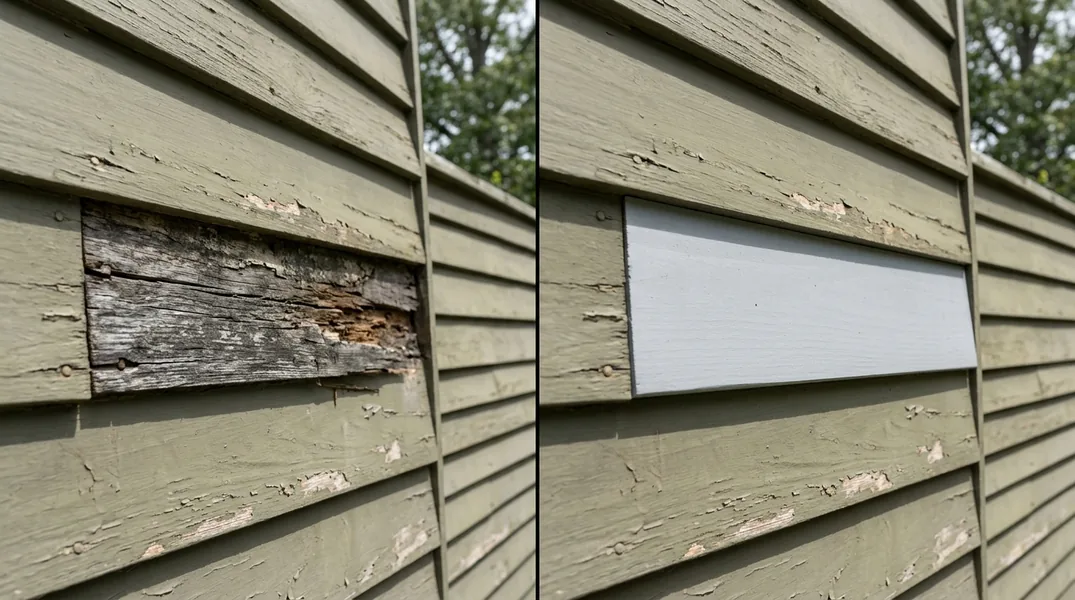
Dry rot has a distinctive appearance that sets it apart from other forms of wood damage. When you inspect wood affected by dry rot, you'll typically notice a dark brown or reddish-brown discoloration that spreads across the wood's surface. The affected wood becomes brittle and crumbly, almost like it's been charred or burned. If you press your finger or a screwdriver into the wood, it will easily crumble or splinter, leaving a powdery residue on your hands. This is one of the most reliable ways to identify dry rot in its early stages.
Another telltale sign of dry rot is the presence of fungal mycelium, which appears as white or grayish thread-like strands on the wood surface or surrounding areas. You might also notice a musty, earthy odor coming from the affected wood, which is caused by the fungal growth. In advanced stages, dry rot can cause the wood to shrink and crack in a distinctive cubic pattern, where the wood splits into small cube-shaped pieces. These cracks often run perpendicular to the grain of the wood, creating a checkerboard-like appearance. If you spot any of these signs in your Raleigh home, particularly in basements, crawl spaces, or around plumbing, it's time to call in a professional for Wood Rot & Dry Rot Repair.
Signs of Termite Damage in Wood: What to Look For
Termite damage presents a very different appearance than dry rot, though the two can sometimes occur in the same home. When termites tunnel through wood, they typically follow the grain, creating hollow galleries and chambers where they live and feed. From the outside, wood infested with termites may appear relatively intact, but if you tap on it or probe it with a tool, you'll discover that it's hollow inside. The wood surface might show small holes or mud tubes (in the case of subterranean termites), and the wood will feel papery or lightweight compared to unaffected wood.
Unlike dry rot, which causes the wood to become dark and brittle, termite damage often leaves the wood lighter in color and with a more uniform, honeycomb-like interior structure. You might notice small piles of sawdust or termite droppings (called frass) near infested wood, particularly around baseboards, window frames, or where wood meets the foundation. Subterranean termites, which are the most common type in the Southeast, build distinctive mud tubes along foundation walls and wooden supports. These tubes are about the width of a pencil and serve as protected highways for the termites to travel between their underground colonies and the wood in your home. If you suspect Termite Damage Repair is needed, prompt action is essential, as termites can cause extensive structural damage over time.
Key Differences in Damage Patterns and Progression
The way dry rot and termite damage progress through your home's structure is quite different. Dry rot spreads through wood and can even travel through mortar and concrete, making it potentially more dangerous in terms of how far it can spread. The fungus responsible for dry rot requires moisture to thrive, so it typically concentrates in areas with poor ventilation or water exposure. Once dry rot takes hold in one section of wood, it can spread rapidly to adjacent areas if the moisture problem isn't addressed. The damage tends to be localized to specific areas where moisture is present, such as basement walls, crawl spaces, or areas around leaking pipes.
Termite damage, by contrast, follows the wood itself. Termites will tunnel through available wood sources in search of food and shelter, creating a network of galleries that can extend throughout a structure. While termites can move from one piece of wood to another if the pieces are touching or close together, they don't spread through non-wood materials the way dry rot fungi can. Termite damage is often more widespread throughout a home because the insects actively forage for food sources, whereas dry rot is limited by moisture availability. Additionally, termites work continuously, day and night, meaning the damage can accumulate rapidly if an infestation goes undetected. Both types of damage can eventually compromise the structural integrity of your home's framing, joists, and load-bearing walls, but they do so through different mechanisms and at different rates.
How Professional Inspection Confirms the Problem
While homeowners can spot some obvious signs of wood damage, a professional inspection is the most reliable way to determine whether you're dealing with dry rot or termite damage. Experienced carpenters and pest control professionals have the knowledge and tools to accurately diagnose the problem and assess the extent of the damage. They can perform moisture readings to determine if conditions are favorable for fungal growth, conduct wood hardness tests to evaluate structural integrity, and identify the specific type of damage based on the damage pattern and any visible pests or fungal growth.
A thorough inspection should include a detailed examination of all vulnerable areas in your home, including the foundation, crawl space, basement, attic, and any areas where water damage has occurred in the past. The inspector will look for signs of active infestation or fungal growth, assess how far the damage has spread, and determine what structural components have been compromised. This information is critical for developing an effective repair strategy. If you're in Raleigh and suspect wood damage in your home, contact Raleigh Carpentry at (984) 254-7340 to schedule a free estimate. Our team can identify the type of damage you're facing and recommend the appropriate repair approach.
Repair and Prevention Strategies for Each Type of Damage
Once you've identified whether you have dry rot or termite damage, the next step is addressing the problem and preventing future issues. For dry rot, the primary strategy is moisture control. This means fixing leaks, improving ventilation in crawl spaces and basements, ensuring proper drainage around your foundation, and maintaining gutters and downspouts. In addition to moisture control, affected wood must be removed and replaced. Depending on the extent of the damage, this might involve replacing individual boards, floor joists, structural beams, or even entire sections of wall framing. Floor Joist & Subfloor Repair is often necessary when dry rot affects the lower levels of a home.
Termite damage repair focuses on two fronts: eliminating the active infestation and repairing the structural damage. Pest control professionals will treat the infestation using appropriate methods, which might include soil treatments, baiting systems, or other approaches depending on the termite species and infestation severity. Once the termites are eliminated, damaged wood must be replaced to restore structural integrity. In cases where major structural components like beams or load-bearing walls have been compromised, Beam Replacement & Load-Bearing Wall Removal may be necessary. Prevention of future termite infestations involves maintaining a gap between soil and wood siding, removing wood debris from around your home, treating the soil around your foundation with termiticide, and having regular inspections to catch infestations early.
Looking for a professional carpentry contractor in Raleigh? Raleigh Carpentry responds fast for all your carpentry needs.
Get a Free QuoteOur services: Wood Rot & Dry Rot Repair · Termite Damage Repair · Floor Joist & Subfloor Repair