Carpenter in Raleigh, NC: Wood Rot, Structure & Finish Work
Raleigh Carpentry is a local residential carpentry shop serving homeowners in Raleigh, Cary, Durham, and Chapel Hill with honest, skilled work in structural repair, rot and insect damage, and finish carpentry. We work on the building stock that defines this region: Victorian homes in historic Oakwood, Craftsman bungalows across Boylan Heights and Cameron Park, grand estates in Hayes Barton, mill-village cottages in Method, and the brick-veneer subdivisions ringing North Hills and outer Wake County. These houses have settled over decades, their wood has faced a century of Piedmont humidity and termite pressure, and their original millwork and framing deserve a carpenter who knows how to read them and repair them honestly.
Whether you are dealing with wood rot advancing through a sill or deck frame, structural damage discovered after a pest inspection, a floor that has gone soft or out of level, or finish work that matches the period of your home, Raleigh Carpentry brings the same carpenters to every job. We explain what has failed and why, propose repair before replacement whenever the wood justifies it, and deliver work that lasts. Call (984) 254-7340 to discuss your project or request a free wood rot inspection.
Why Wood Fails in Raleigh, and How We Read It
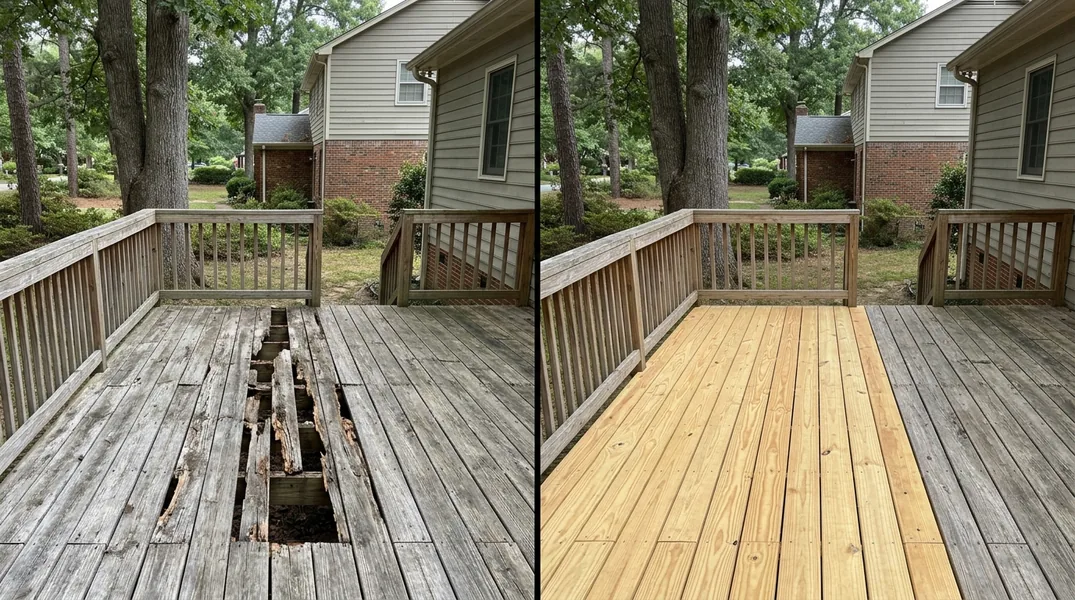
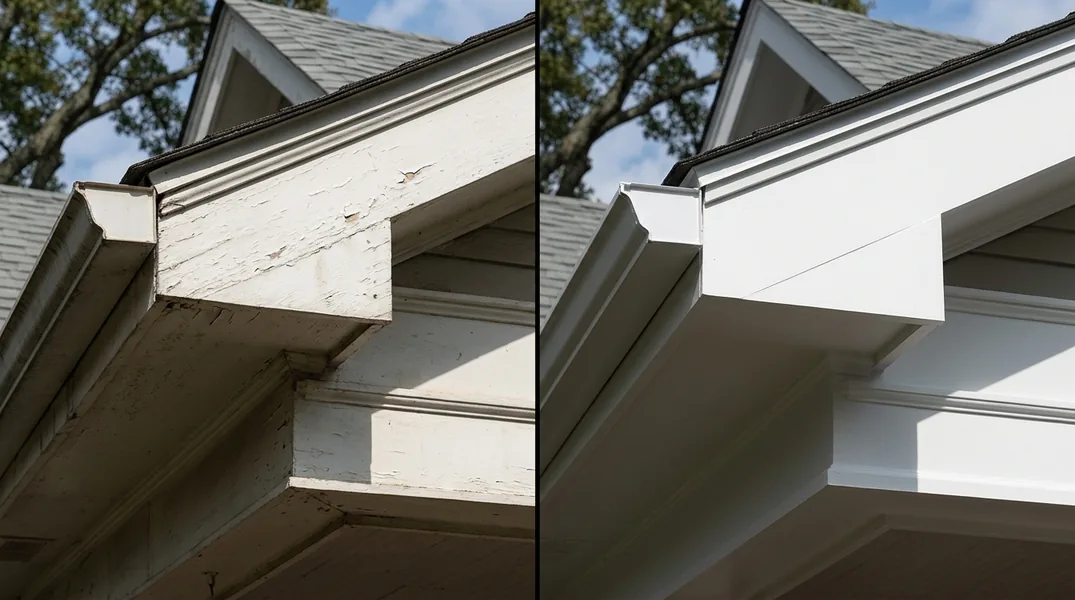
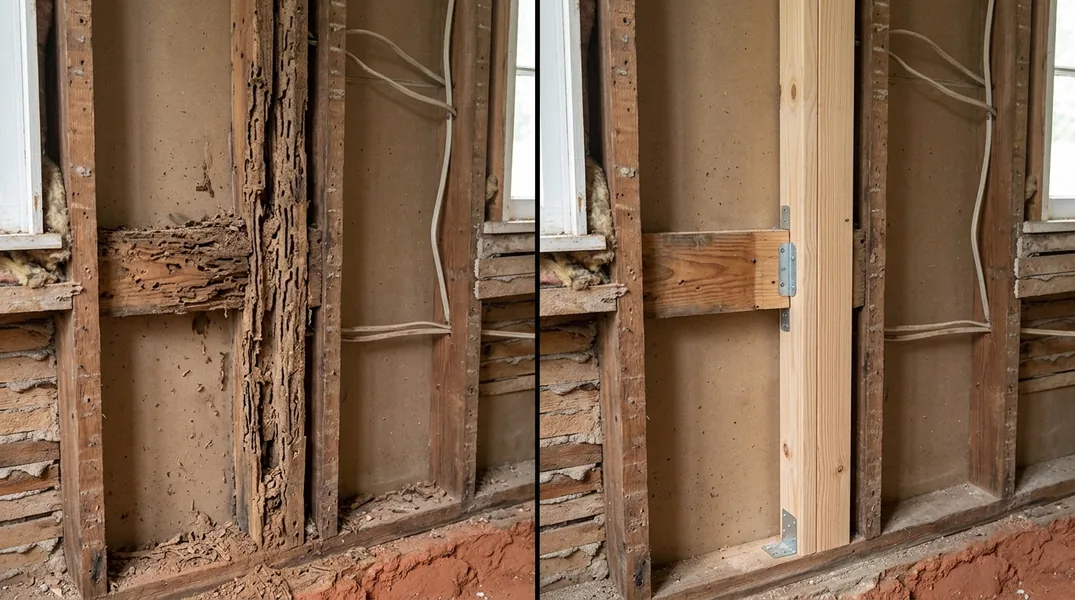
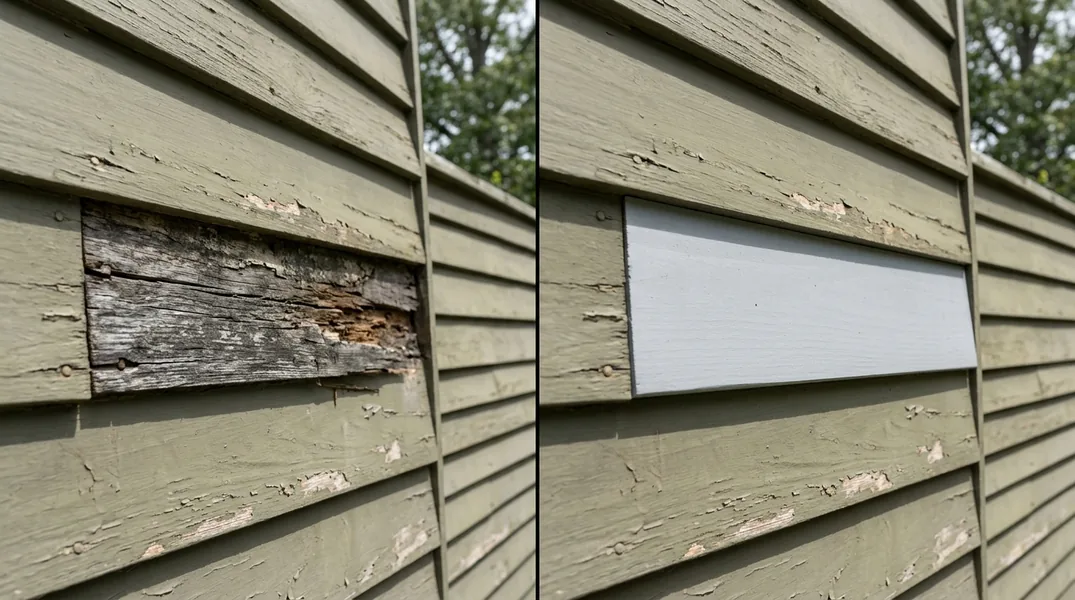
Wood fails in Raleigh for predictable reasons, and understanding them is the first step to a durable repair. Dry rot is not actually dry; it is a fungus that thrives in sustained moisture without standing water, the exact condition that the region's humid subtropical climate and red clay soil create around sills, window frames, deck ledgers, and fascia boards. Wet rot settles wherever water sits against wood long enough to penetrate the paint film: thresholds, exterior door frames, the bottom of fascia where gutters fail, and the rim joist where grade water wicks upward. Termites and wood-boring beetles hollow a member from inside while the painted surface still looks sound, a failure mode that becomes visible only when probing reveals the cavity or when a floor begins to bounce under foot.
We assess rot and insect damage by probing to find where sound wood begins, checking the framing behind the visible surface, and tracing the water path that fed the failure. A member with cosmetic surface decay but adequate remaining section can be cut back to sound wood and rebuilt with epoxy or new wood. A member that has lost too much of its cross-section must be replaced. And if the water source is not closed, the repair fails again; filler over rot is not a repair. On insect damage, we work from your own pest inspection report and repair or replace the wood that has been damaged. Pest treatment, fumigation, and extermination are a separate regulated trade; we do not offer those services. Call (984) 254-7340 with photos or details, and we will walk you through what we see and what it will cost to address it properly.
The Piedmont's climate means termite pressure runs most of the year, and heavy rains from inland Atlantic storm remnants or severe thunderstorms can expose wood to moisture for weeks. A floor joist or subfloor section that was sound last year may have started to fail this year, which is why we recommend probing visible structural members if you have noticed a soft spot, a bounce, or a change in how a door closes. The earlier you catch it, the smaller the repair and the lower the cost.
Structural Carpentry in Raleigh: Joists, Beams and Settling
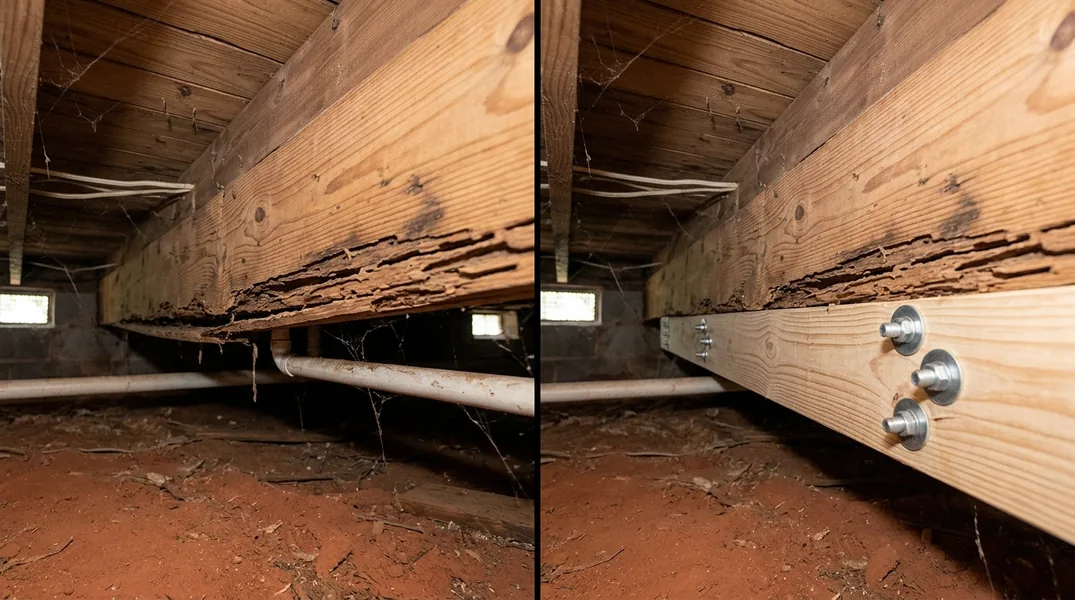
Structural carpentry in older Raleigh homes means reading a building that has settled slowly over a century and deciding what needs repair and what is simply the normal condition of age. A sloping floor or a sticking door frame in a 100-year-old house is usually settlement, not active failure. What matters is whether something is still moving, how the wood is doing where it bears weight, and whether water is still feeding decay. We repair floor joists by sistering new wood alongside the damaged section, replace subfloor in sections, repair or replace sill plates and rim joists where they have rotted, and install engineered beams and headers where they are needed. Floor joist and subfloor repair is common in this climate; so is beam replacement and load-bearing wall removal for homeowners who want to open up a floor plan or address structural inadequacy.
Beam sizing and load-bearing alterations commonly require drawings from a licensed structural engineer and a permit from the local building department. We build to those drawings and do not produce them ourselves. If your project involves removing or altering a load-bearing wall, replacing major framing, or significantly changing the structure, plan on engineering and a permit. We work with you through the process and deliver work that meets code and the engineer's specifications.
Finish Carpentry and Built-Ins in Raleigh Homes
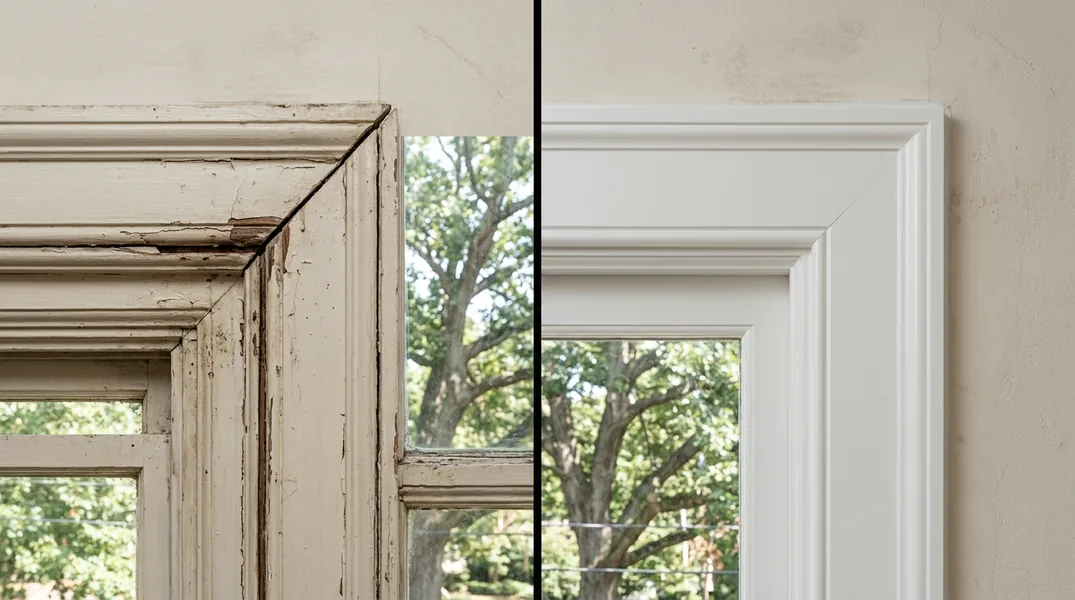
Finish carpentry in Raleigh's older homes is about reading original millwork and matching it, not replacing it. Bay windows, narrow hallways, out-of-square openings, and compact floor plans are the norm in Craftsman bungalows and Victorian stock, and they demand a carpenter who can scribe baseboard to a wall that is neither flat nor plumb, cope crown molding joints instead of caulking them, and maintain consistent reveals across a room where nothing is quite square. Finish carpentry includes casing, baseboard, wainscoting, crown molding and baseboard installation, and matching profiles to existing period work so a new section looks as though it has always been there.
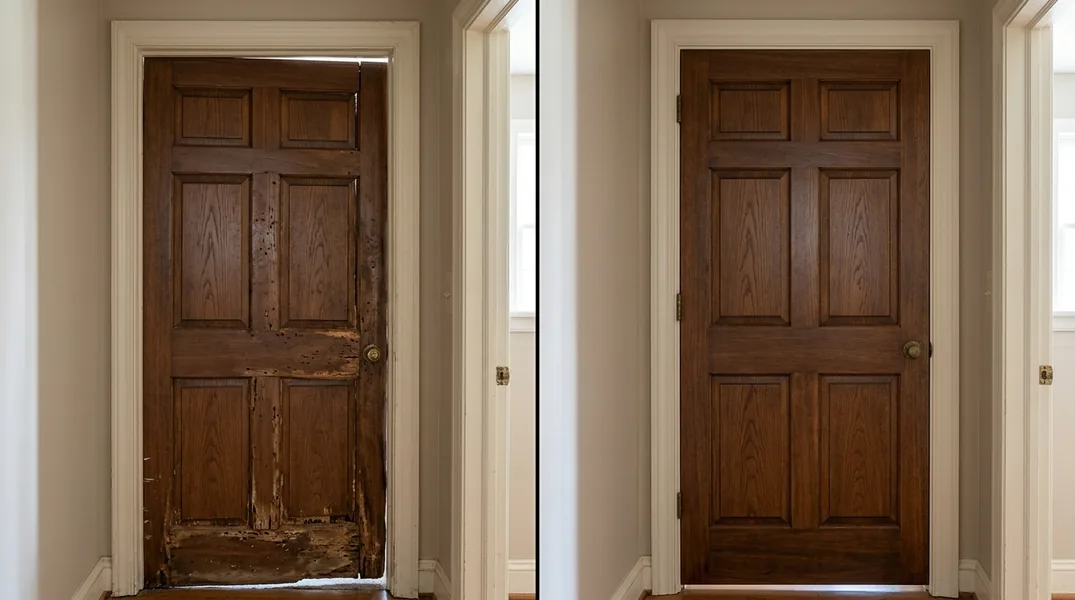
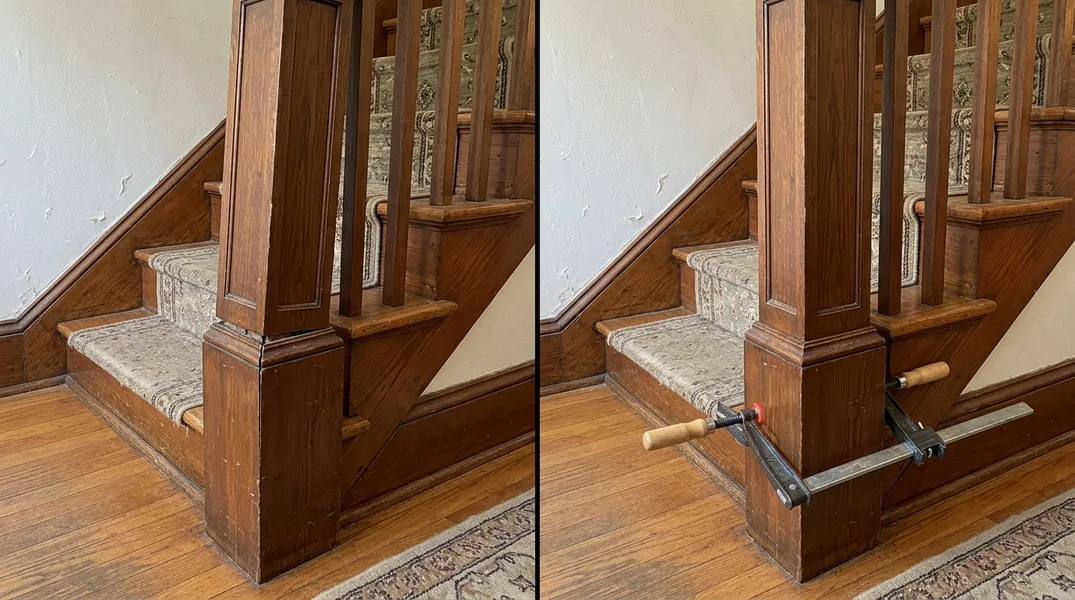
We also build custom built-ins and shelving, install interior doors, hang exterior entry doors, install cabinets and vanities, and repair stairs and railings. The craft is in the details: a coped joint that closes tight, reveals that line up, and wood that is finished so it will last.
Permits, Repair-or-Replace & What We Do Not Do
A permit is commonly required for structural work such as removing or altering a load-bearing wall, replacing beams or joists, modifying stairs, or building or altering a deck or porch. Requirements and thresholds vary by jurisdiction, and some work that looks structural may not require a permit in your area while other work may. Before you start, contact the Raleigh building department to verify what applies to your project. We can help you understand what the work involves and what questions to ask, but the permit decision rests with the local authority.
When you are deciding whether to repair or replace a damaged wood member, the honest answer usually comes down to three things: how much sound wood is left, whether the water source can be closed, and what repair and replacement cost compared to each other. We quote both options when both are real possibilities, and we recommend repair when the wood justifies it. We are fully insured, and we can help you document the damage for an insurance claim if the failure is covered under your policy. Requirements vary, and coverage decisions are made by your insurer, not by us. Always verify with the Raleigh building department before starting your project.